Rethink success. Reclaim your time.
Build a life that finally feels like your own.
Exploring what financial and life freedom actually looks like from the inside, for readers at every stage of the journey.
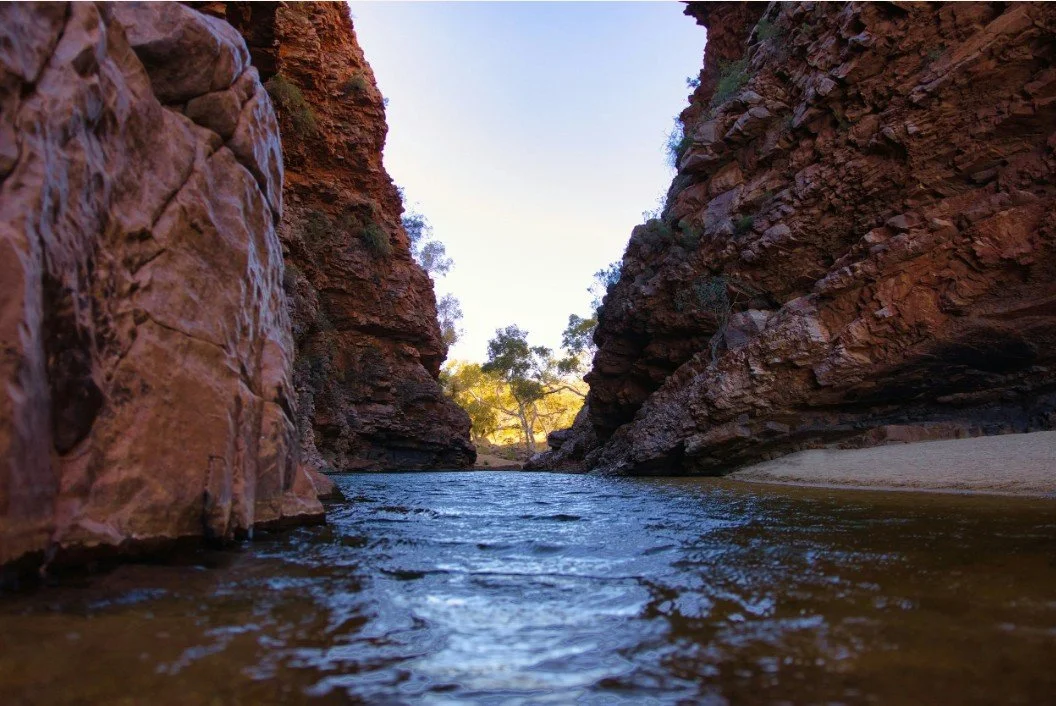
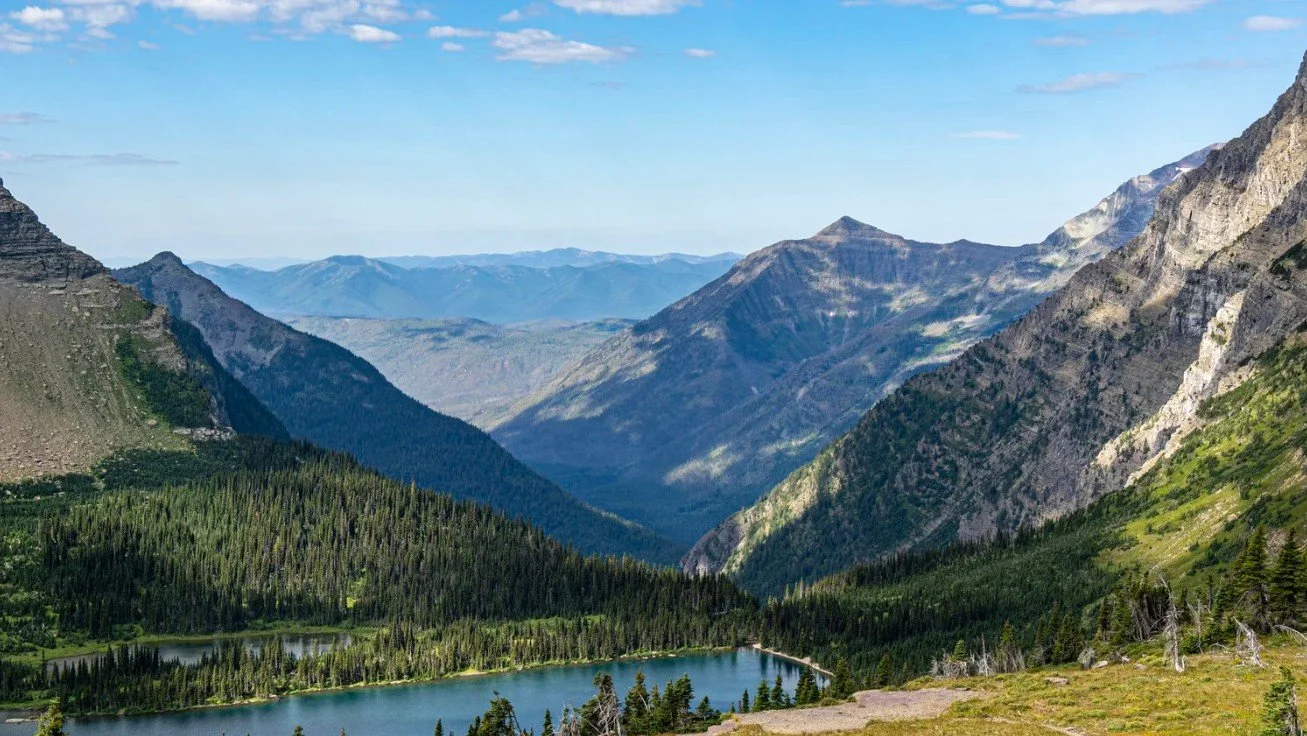
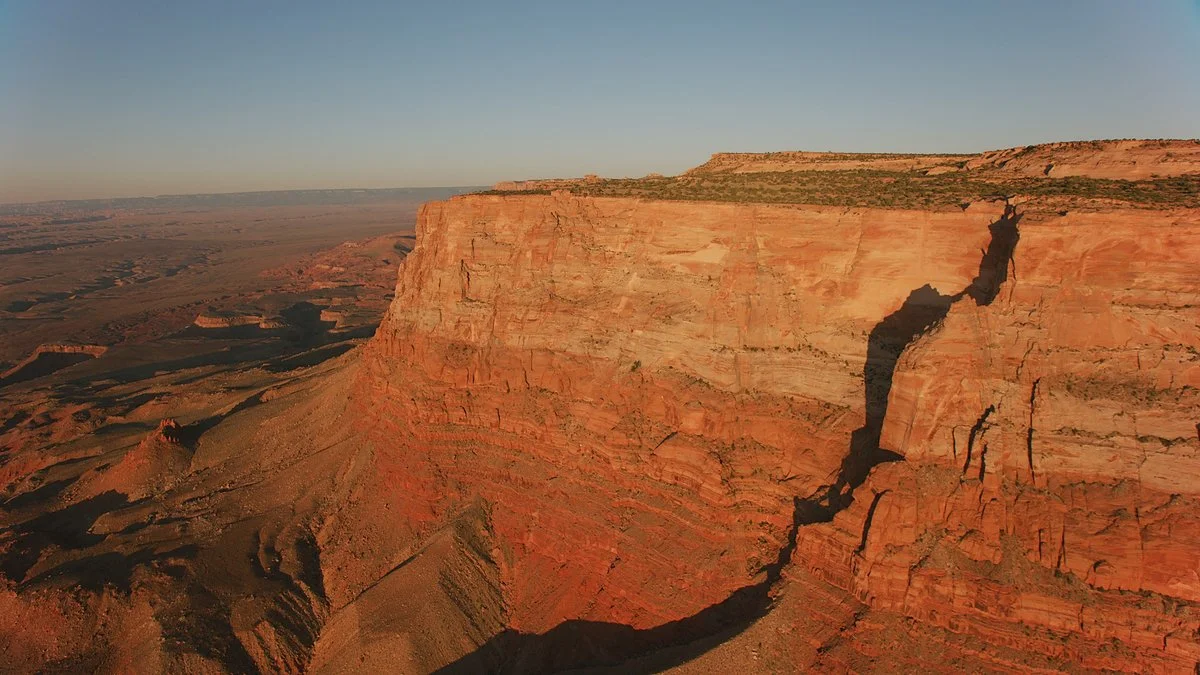
Last week I waded through a red-rock canyon in Glacier's Canadian twin with the people I love most. This week I am at 31,000 feet over Kansas, racing the other direction. Here is the framework I am building toward, and the five paths worth exploring before you leave full-time work.
I graduated from graduate business school in May 2007 into a city buzzing with possibility. By 2008, I was watching people carry file boxes out of high-rise towers. What I learned about markets in that season, no classroom ever taught me. This post is about the one retirement math concept most people skip entirely, and the three protections that let you sleep at night when markets do what markets inevitably do.
If you just came from ESI Money, welcome. Desert FI exists for people at every stage of the FI journey, with a particular focus on what comes after the number. Not retirement as an escape, as a beginning.
After years of following the same personal finance philosophy, I was getting bored. Then a Saturday morning podcast introduced me to a then-foreign language: tax credits, Roth conversions, higher savings rates, and something called FIRE. A whole new world was opening to me. But the concept I couldn't find anywhere was the one I actually needed: how do you retire earlier, at a comfortable spending level, but continue to serve others and do work that genuinely matters? This post is about that question, and the seven signs that tell you whether you're ready to answer it.
Most retirement planning tools assume a fixed rate of return and skip the most dangerous math entirely. Here is what happens when three real households add a modest Next Endeavor income during the decade that decides everything.
My parents sat me down in their formal living room, coffee in china cups, Scotch shortbread on the plate, more uncomfortable than I had ever seen them. What they had to say was smaller than I feared, and far more revealing. It was the moment I understood that the financial conversations most people avoid are not just nice to have. They are often the difference between knowing what to do and being caught completely unprepared. This post is about finding the people who will walk that trail with you.
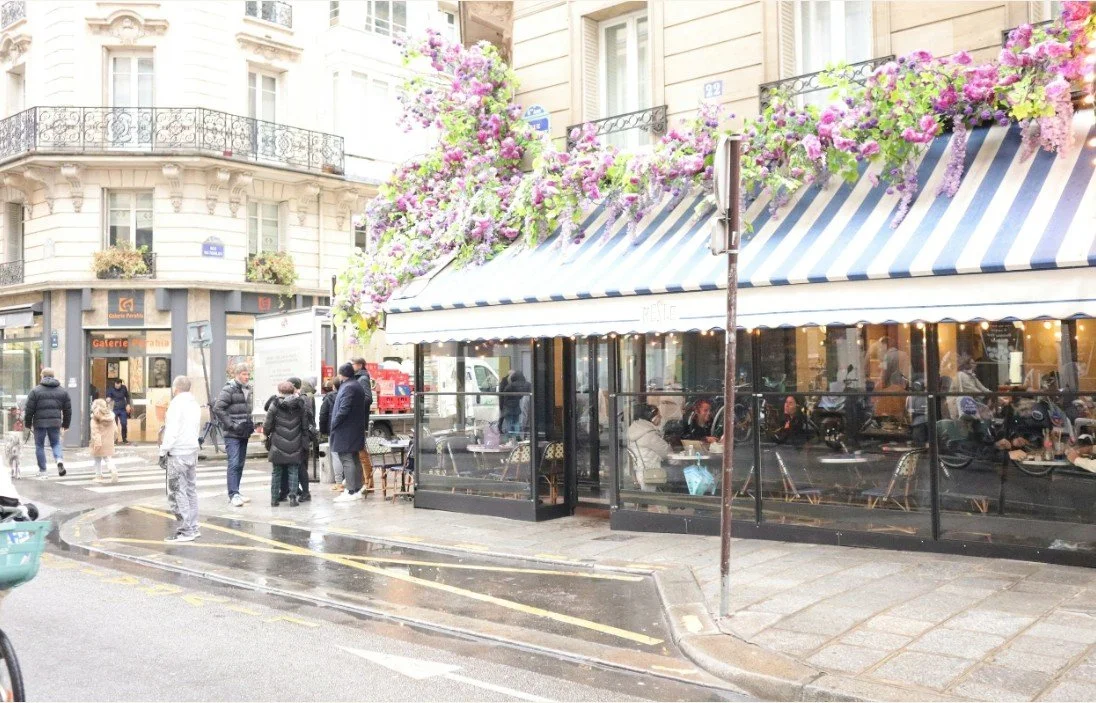
At twenty-six, we ate baguettes on the steps of Montmartre and dreamed of a life we could not yet afford. It turned out that was not a distraction from building toward that life. It was the foundation of it. Most people in the FI community know how to get there. Very few have been specific enough about what they are building toward. This post is about that question.
At sixteen I drove a $500 Gran Torino and revved the engine at stoplights hoping someone would notice. Nobody did. Most of us are still doing a version of this today. The car is nicer. The stakes are higher. And the cost is bigger than we realize.
A bathroom fan with a loose bearing. A chart on the refrigerator. A heart racing at midnight over a spreadsheet. This is what building financial freedom actually sounds like from the inside. And what it feels like when it finally starts to arrive.
His name was Steve. Long hair, Harley-Davidson, youth pastor at a church I had little connection to. He had a gift for finding the kids nobody else was looking for. He took us to the cliffs along the Potomac and taught us to climb. I learned a lot on those rock faces. About gear. About trust. About what it means to believe something before you fully understand it.
I went back to look at photos from June 2019. I was 45. My son was heading into high school. We had just spent 10 days in Alaska, helicopters over glaciers, sled dogs, ice calving off tidewater walls, and a bear-watching tour that produced zero bears and a family pun tradition that still runs. My wife and I stayed up past midnight somewhere in the Inside Passage, the sun refusing to set, talking about the life we were building.
I had a job I loved. A great team. I was present for the moments that mattered.
And still, looking back from 52, there are six things I wish I had known, not because I was failing, but because knowing them would have made a good season even better.
The shopkeepers were washing down the sidewalks when I arrived. Paris at dawn is quieter than you'd expect. I had my fountain pen with me. I always do. I sat there for an hour, maybe longer — writing, praying, asking hard questions about the window I could feel closing. I didn't know yet what to call it. I do now.
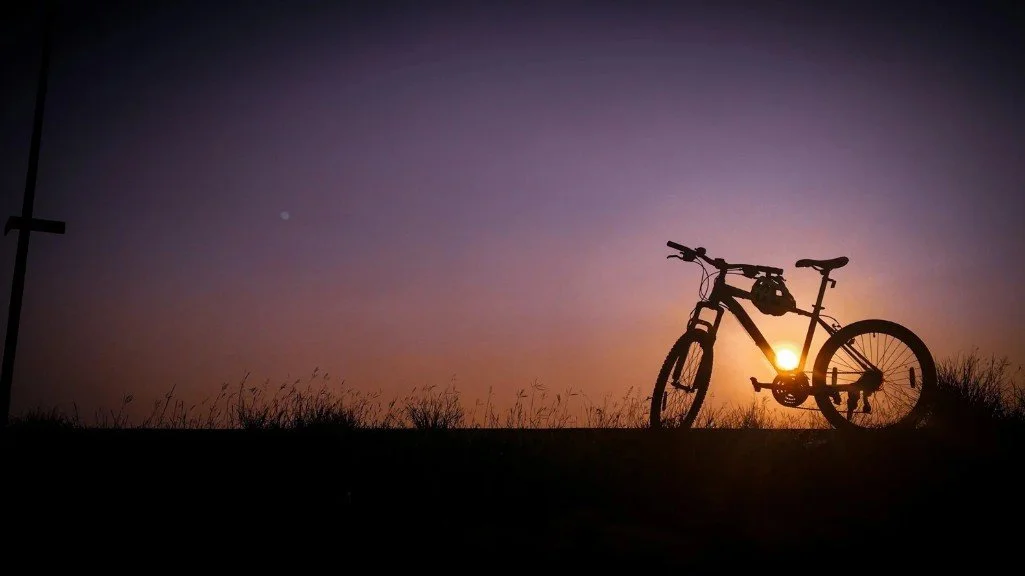
I sat on a Blue Ridge overlook for five hours and made a decision that changed everything. Most work hits one or two of the four circles. Here's what changes when financial independence makes all four possible.
The mail boat doesn't wait. Neither does your life. A childhood memory from Lake Geneva, the art of timing the jump, and everything you need to build a well-timed exit from a career that has served you well.
Recent Essays
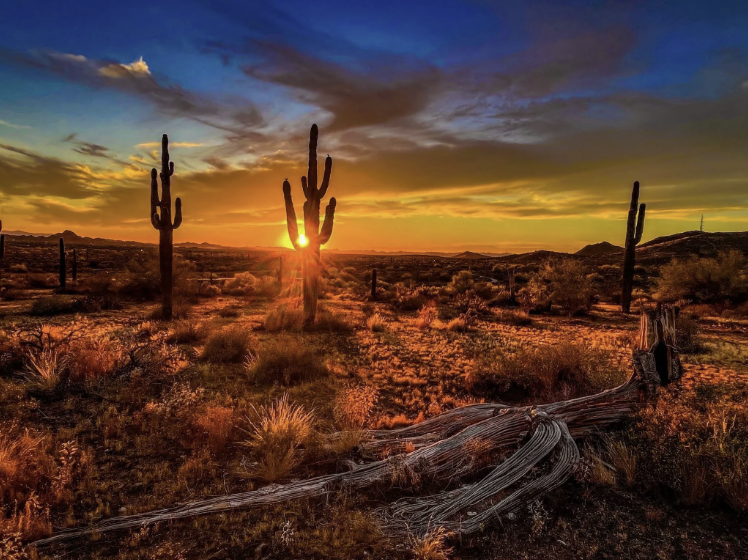
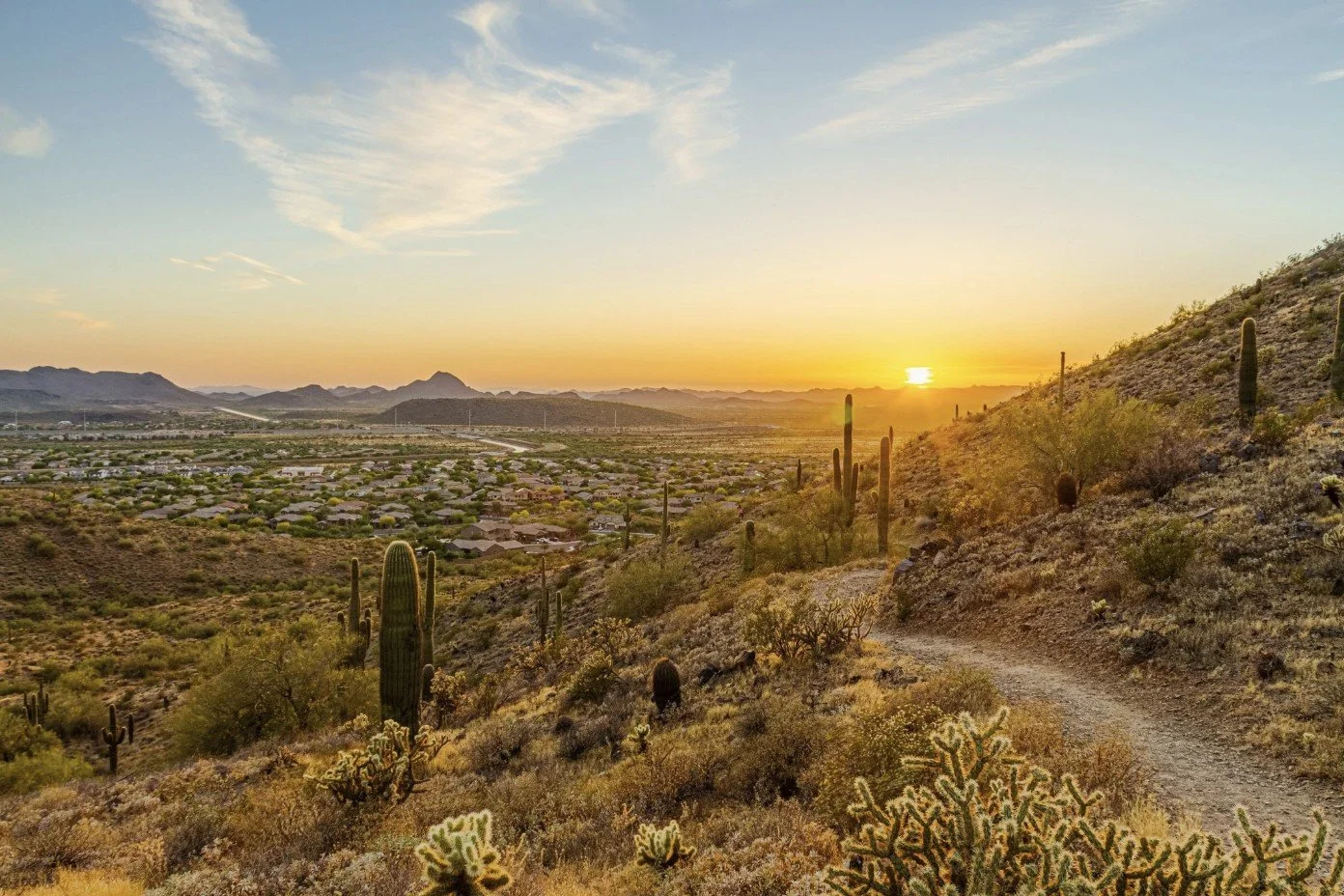
Eight years ago I drove through the Valley of the Sun for the first time and knew Arizona was exactly the change we needed. Learning to live there required an entirely new set of rules. The transition from accumulation to distribution is exactly like that.
Last week I waded through a red-rock canyon in Glacier's Canadian twin with the people I love most. This week I am at 31,000 feet over Kansas, racing the other direction. Here is the framework I am building toward, and the five paths worth exploring before you leave full-time work.
I graduated from graduate business school in May 2007 into a city buzzing with possibility. By 2008, I was watching people carry file boxes out of high-rise towers. What I learned about markets in that season, no classroom ever taught me. This post is about the one retirement math concept most people skip entirely, and the three protections that let you sleep at night when markets do what markets inevitably do.
Eight years ago I drove through the Valley of the Sun for the first time and knew Arizona was exactly the change we needed. Learning to live there required an entirely new set of rules. The transition from accumulation to distribution is exactly like that.